





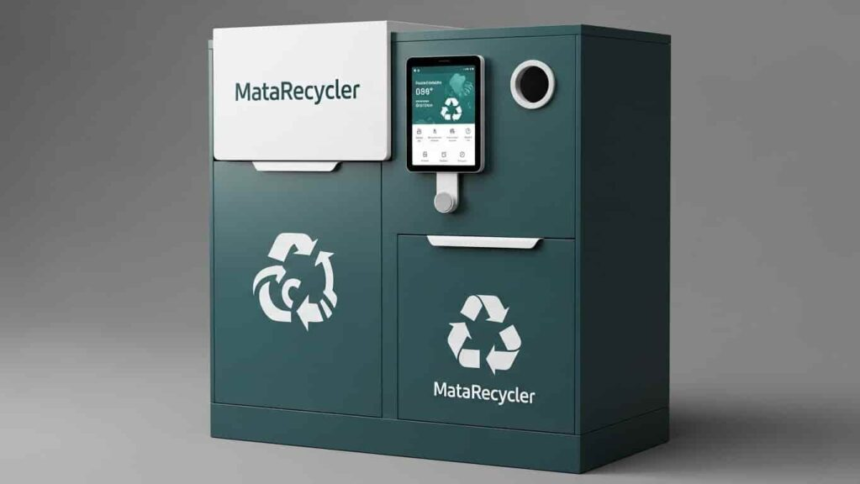
In the modern era, the global waste crisis has reached a tipping point, demanding innovative solutions that go beyond traditional trash collection. Enter MataRecycler, a cutting-edge platform designed to bridge the gap between waste generators and professional recyclers. By integrating advanced artificial intelligence (AI) with a user-centric marketplace, MataRecycler is transforming how businesses and individuals perceive “trash.” Instead of seeing discarded materials as a burden, this platform empowers users to view them as valuable resources, effectively fueling the transition to a sustainable circular economy.
- What is MataRecycler and How Does It Work?
- Key Features of the MataRecycler Platform
- The Environmental Impact of MataRecycler
- Why Businesses are Switching to MataRecycler
- The Technology Behind MataRecycler: AI and Machine Learning
- MataRecycler and the Community: Education and Engagement
- Comparison: Traditional Recycling vs. MataRecycler
- Challenges and the Path Forward for MataRecycler
- Conclusion: Embracing a Greener Tomorrow
- Frequently Asked Questions (FAQs)
What is MataRecycler and How Does It Work?
At its core, MataRecycler is an intelligent ecosystem that facilitates the trade, sorting, and processing of recyclable materials. It functions as a digital marketplace where waste—ranging from corrugated cartons to specialized paper products—is listed, bought, and sold. Unlike static listing sites, the platform utilizes smart technology to ensure that materials are directed to the facilities best equipped to handle them.
The Role of Artificial Intelligence
The “secret sauce” of MataRecycler lies in its use of AI-driven sensors and machine learning algorithms. These tools can categorize materials in real-time, significantly reducing the margin for error found in manual sorting. By analyzing vast amounts of disposal data, the system predicts peak waste generation times, allowing municipalities and businesses to optimize their collection schedules.
Bridging the Gap in the Supply Chain
One of the biggest hurdles in recycling is the fragmentation of the supply chain. MataRecycler solves this by acting as a central hub. Whether you are a small business with excess packaging or a large-scale industrial plant with tons of baled mixed paper, the platform connects you directly with traders and repurposing experts.
Key Features of the MataRecycler Platform
The versatility of MataRecycler makes it a standout choice for environmental stakeholders. The platform isn’t just a database; it is a suite of tools designed for efficiency and transparency.
-
Smart Material Categorization: Users can list specific grades of waste, such as de-inking grade newsprint or waxed boxboard. This precision ensures that recyclers get exactly what they need for their specific manufacturing processes.
-
Predictive Analytics: For municipal users, MataRecycler offers insights into waste patterns. This helps in reducing fuel consumption for collection trucks by optimizing routes based on bin fullness.
-
Secure Disposal Services: Beyond standard recycling, the platform facilitates specialized services like confidential document shredding, ensuring that sensitive information is destroyed securely before being recycled into new paper products.
-
Real-Time Marketplace: The live bidding and trading system ensures that waste materials fetch a fair market price, incentivizing companies to recycle rather than dump.
The Environmental Impact of MataRecycler
The primary goal of MataRecycler is to reduce the volume of waste destined for landfills. By making recycling profitable and logistically simple, the platform encourages a “zero-waste” mindset across various industries.
Reducing Carbon Footprints
Traditional waste management is often carbon-intensive due to inefficient routing and the energy required to process contaminated recyclables. MataRecycler minimizes these issues by improving sorting accuracy. When materials are correctly sorted at the source, the energy required for secondary processing drops significantly.
Preserving Natural Resources
Every ton of paper recycled through the MataRecycler network represents trees saved and water conserved. By keeping materials like aluminum, plastic, and fiber in the production loop, the platform reduces the need for virgin resource extraction, which is one of the leading causes of habitat destruction globally.
Why Businesses are Switching to MataRecycler
For a modern enterprise, sustainability is no longer just a “nice-to-have” feature; it is a business imperative. MataRecycler provides a tangible way for companies to meet their Environmental, Social, and Governance (ESG) goals.
-
Cost Reduction: By optimizing waste streams and selling recyclables, businesses can turn a previous expense into a minor revenue stream.
-
Regulatory Compliance: As governments introduce stricter waste disposal laws, MataRecycler provides the tracking and reporting tools necessary to prove compliance.
-
Brand Reputation: Today’s consumers are eco-conscious. Partnering with a tech-forward recycling platform like MataRecycler enhances a company’s image as a leader in sustainability.
The Technology Behind MataRecycler: AI and Machine Learning
Understanding the technical side of MataRecycler reveals why it is so much more effective than older models. The platform uses Computer Vision to identify different types of plastics and fibers that the human eye might miss.
Machine Learning for Continuous Improvement
The more data the MataRecycler system processes, the smarter it becomes. It learns to recognize new types of packaging and identifies which materials are most likely to be contaminated. This continuous learning loop ensures that the recycling stream stays clean, which is vital for producing high-quality recycled goods like cellular insulation or molded paper packaging.
IoT Integration
In many smart cities, MataRecycler integrates with Internet of Things (IoT) sensors placed in smart bins. These bins “talk” to the platform, alerting collectors the moment they reach capacity. This “on-demand” collection model is the future of urban sanitation.
MataRecycler and the Community: Education and Engagement
Technology alone cannot solve the waste crisis; it requires human participation. MataRecycler places a heavy emphasis on community education. Through the app and web interface, users can access guides on how to properly clean and sort their household waste.
By gamifying the recycling process, MataRecycler makes it engaging for residents. Some pilot programs have shown a 30% increase in local recycling rates within just six months of implementing the platform’s community tools. This grassroots approach ensures that the high-quality data used by the AI starts with a well-informed user.
Comparison: Traditional Recycling vs. MataRecycler
| Feature | Traditional Recycling | MataRecycler AI System |
| Sorting | Manual & Error-Prone | AI-Driven & High Precision |
| Logistics | Fixed Schedules | Dynamic/Predictive Routing |
| Market Access | Local/Limited | Global/Broad Marketplace |
| Data Tracking | Minimal/Paper-Based | Real-Time Digital Analytics |
| Incentives | Low/None | High (Market Value for Waste) |
Challenges and the Path Forward for MataRecycler
While the potential is enormous, MataRecycler faces the challenge of global infrastructure variability. Not every region has the high-speed internet or the modern processing plants required to fully utilize AI insights.
However, the roadmap for MataRecycler includes the development of “offline-first” tools and mobile-optimized interfaces that can work in developing markets. By scaling its technology to meet different regional needs, the platform aims to become the universal language of global recycling.
Conclusion: Embracing a Greener Tomorrow
In summary, MataRecycler represents a paradigm shift in environmental management. By combining the power of artificial intelligence with a robust, transparent marketplace, it addresses the core inefficiencies that have plagued the recycling industry for decades. Whether you are a business owner looking to cut costs or a citizen concerned about the planet, this platform offers the tools needed to make a real difference. As we move deeper into 2026, the adoption of technologies like MataRecycler will be the deciding factor in our ability to create a truly sustainable, waste-free world.
Frequently Asked Questions (FAQs)
1. Is MataRecycler available for individual households or just businesses?
While MataRecycler offers powerful tools for industrial-scale waste management and trading, it also provides user-friendly interfaces for individuals. Local residents can use the platform to find the nearest certified recycling centers, learn about sorting best practices, and in some regions, participate in community-led collection programs.
2. What types of materials can be traded on MataRecycler?
The platform supports a vast range of materials. Common items include corrugated cardboard, mixed paper, newsprint, and various plastics. It also handles specialized materials like waxed boxboard and provides services for secure document destruction and shredding.
3. How does the AI improve recycling rates?
The AI in MataRecycler improves rates by reducing contamination. By precisely identifying materials through computer vision, it ensures that only “clean” recyclables enter the processing stream. This makes the end product more valuable and prevents entire batches of recycling from being sent to the landfill due to sorting errors.
4. Can MataRecycler help my company meet ESG goals?
Yes, absolutely. MataRecycler provides detailed data analytics and reporting features. This allows companies to track exactly how much waste they are diverting from landfills, providing the transparent metrics needed for ESG (Environmental, Social, and Governance) reporting and sustainability audits.
5. Is there a cost to join the MataRecycler platform?
MataRecycler typically operates on a tiered model. Basic access for browsing and learning is often available at no cost, while advanced features for traders, municipalities, and large corporations—such as predictive analytics and high-volume marketplace listings—may involve service fees or commissions on trades.